
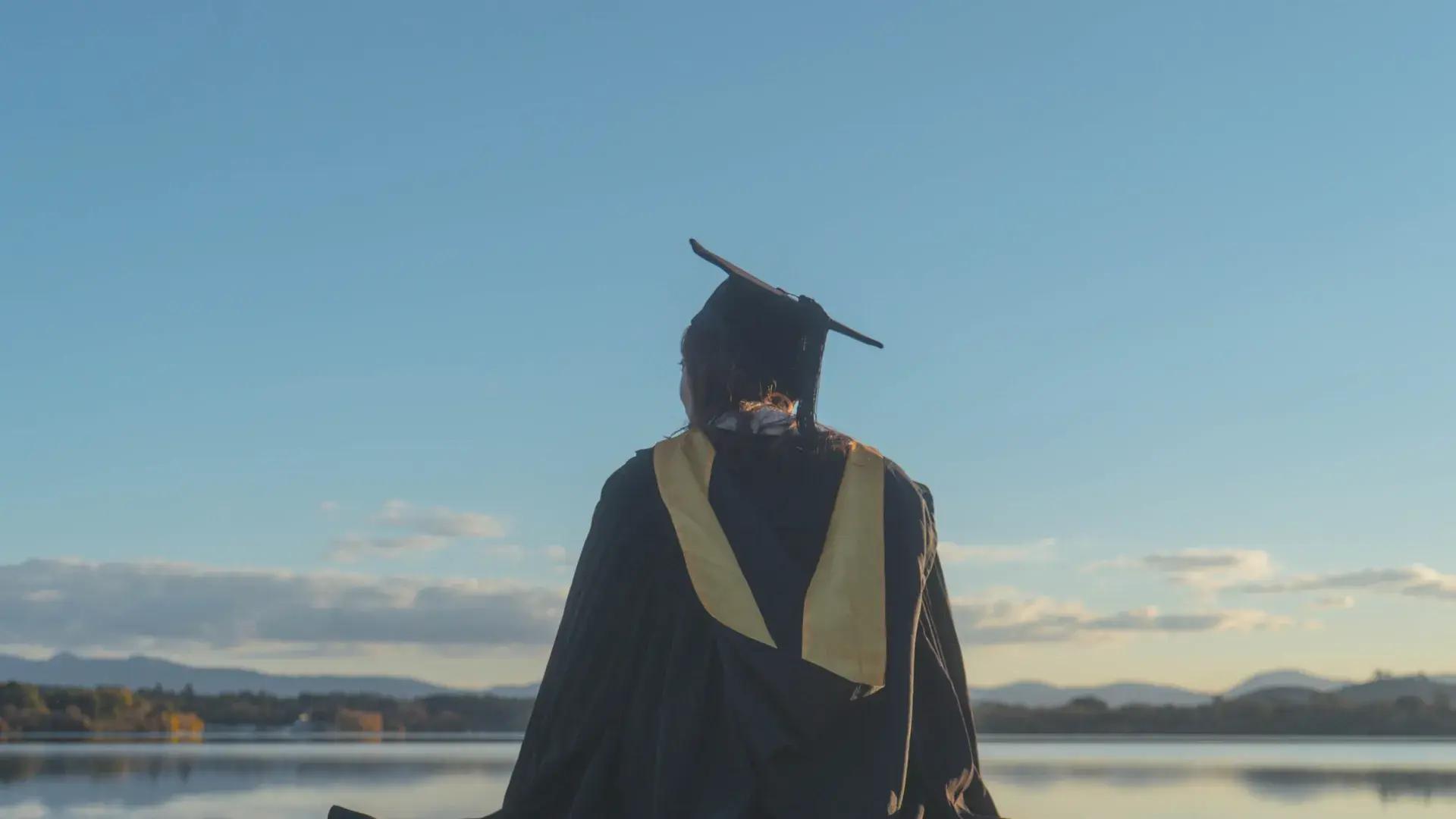
En Turquía, la "defensa de tesis" suele ser una nota otorgada frente a un documento escrito. En Alemania, en cambio, la Disputation es una experiencia totalmente distinta. La defensa de una tesis de máster o doctorado no es solo la prueba de un logro académico; es también un rito en el que se reconoce formalmente la incorporación a la estructura institucional de la ciencia.
En esta guía, preparada para los estudiantes que defenderán su tesis en Alemania en 2026 o que se acercan a esa etapa, encontrarás todos los detalles del proceso de la Disputation, los preparativos previos y los puntos críticos a los que prestar atención el día del examen.
¿Qué es una Disputation? ¿En qué se diferencia de Turquía?
Definición del término alemán "Disputation"
En la tradición académica alemana, Disputation significa "debate y evaluación." En la práctica, es el proceso en el que el autor de una tesis presenta su propio trabajo ante un tribunal, lo defiende y responde a las críticas.
Comparación con la defensa de tesis turca
| Criterio | Turquía | Alemania |
|---|---|---|
| Número de miembros del tribunal | 3–5 | 3–5 (pero procedimiento estricto) |
| Idioma de la presentación | Turco / Inglés | Alemán / Inglés (según el programa) |
| Duración | 30–45 minutos | 45–90 minutos (presentación + debate) |
| Estilo de preguntas | Prueba de conocimientos generales | En profundidad, sobre el tema de la tesis |
| Aprobado / Suspenso | El suspenso es raro | El riesgo de suspenso es real |
| Registro oficial | Sencillo | Muy meticuloso y detallado |
Estructura de la Disputation
Fase 1: Apertura (5 minutos)
- El profesor abre la sesión
- Se presenta a ti y a los miembros del tribunal
Fase 2: Presentación de la tesis (30–45 minutos)
- La esencia de tu investigación
- Hallazgos principales
- Metodología y resultados
Fase 3: Respuesta a las preguntas del tribunal (30–45 minutos)
- Debate académico en profundidad
- Críticas y enfoques alternativos
- Comparación con investigaciones relacionadas
Fase 4: Evaluación (sesión cerrada)
- El tribunal celebra una sesión privada
- Se realiza la calificación y la evaluación
- Tú y el público salís de la sala
Preparativos Críticos Antes de la Defensa de Tesis
1. Requisitos técnicos del documento de la tesis
Mientras que en Turquía puede bastar con revisar la tesis por encima, en Alemania la revisión técnica es extremadamente meticulosa:
- Control de formato: se inspeccionan los números de página, la fuente y el estándar de interlineado
- Ortografía y gramática: si está escrita en alemán, se anota cada error ortográfico
- Formato de la bibliografía: formato estándar DIN o Harvard (según el departamento)
- Aviso de confidencialidad: si el acceso a la tesis está restringido, debe indicarse de forma explícita
2. Preparar la presentación: ¿alemán o inglés?
- Si tu alemán es C1: presenta en alemán (el tribunal queda más impresionado)
- Si tu alemán es B2: prefiere el inglés (destaca el contenido en vez de los errores de idioma)
- Si tu alemán es B1: elige sin duda el inglés
Lo que debe incluir la presentación:
- Diapositiva de título: título, nombre, fecha, logotipo de la universidad
- Pregunta de investigación: ¿qué investigaste? (1 diapositiva)
- Revisión de la literatura: estudios previos (2–3 diapositivas)
- Metodología: tu método (3–4 diapositivas)
- Resultados: la parte más detallada (5–8 diapositivas)
- Discusión: interpretación de los resultados (3–4 diapositivas)
- Conclusión: conclusión general y trabajo futuro (1–2 diapositivas)
- Total: 20–25 diapositivas, una presentación de 45–50 minutos
3. Investigar de antemano a los miembros del tribunal
Los miembros del tribunal preguntarán sobre sus propias áreas de especialización. Si no los conoces, pueden pillarte sin preparación:
- Busca las publicaciones de los miembros del tribunal en Google Scholar
- Conoce su enfoque académico
- Identifica en qué punto se cruzan con tu tesis
- Asegúrate de haber citado suficientemente sus trabajos importantes en tu tesis
El Día de la Disputation: Consejos Prácticos
1. Técnica de presentación: visual y verbal
Herramientas de presentación:
- Fuente: 28–32 pt (para que el tribunal también lea desde atrás)
- Color: fondo blanco/claro, texto oscuro (para que la vista no se canse)
- Gráficos: las tablas y los esquemas deben verse profesionales
- Animación: mínima (puede distraer)
Estilo al hablar:
- Ritmo: 120–130 palabras por minuto (no demasiado rápido)
- Tono: profesional pero cálido, no excesivamente emocional
- Contacto visual: mira al tribunal a menudo, no hables de forma monótona
- Si te trabas: no te quedes fijado en una frase, sigue adelante
Al hablar en alemán/inglés:
- No te preocupes por tu acento; lo que importa es la claridad
- Sé coherente con el vocabulario técnico (no cambies los términos al azar)
- Mantén las frases cortas (las estructuras complejas pueden confundir)
2. Prepararse para el turno de preguntas
Los tribunales en Alemania formulan sus preguntas de una manera que no es "agresiva" pero sí "en profundidad." Tipos de preguntas habituales:
- Indagación metodológica: "¿Por qué elegiste el método X en lugar del Y?"
- Limitaciones: "¿Qué limitaciones tiene tu tesis?"
- Generalización: "¿Pueden aplicarse tus hallazgos a otras poblaciones?"
- Interpretaciones alternativas: "¿Podrías interpretar los resultados de otra forma?"
- Vacío en la literatura: "¿Por qué no incluiste el trabajo del investigador X?"
Estrategia de preparación: Lee tu tesis con ojo crítico y encuentra tú mismo las carencias; prepara de antemano respuestas para tus puntos débiles; lee al menos 2–3 trabajos de cada miembro del tribunal y conéctalos con los resultados de tu tesis.
3. Protocolo de vestimenta académica
- Hombres: traje oscuro, camisa blanca, corbata (o camisa de color claro + blazer)
- Mujeres: traje oscuro o pantalón/falda + blusa (profesional)
- Colores: se prefieren el negro, el gris y el azul marino
- Calzado: cerrado y profesional (las zapatillas deportivas no son en absoluto apropiadas)
El protocolo académico es muy importante en Alemania. Una defensa de tesis no es una "entrevista de trabajo", sino una muestra de porte académico; la vestimenta refleja disciplina y profesionalidad.
4. Preparación emocional: gestión del estrés
La ansiedad ante la Disputation es completamente normal; la gran mayoría de los académicos sienten una fuerte ansiedad en su primera defensa. Tácticas que funcionan:
- Ensaya la presentación: repítela 3–5 veces frente al espejo
- Preséntala a amigos: procura que surjan preguntas reales
- Respiración profunda: respira hondo durante 5 minutos, 30 minutos antes de la presentación
- Memoriza tu primera frase: te ayuda a ordenar tus ideas al principio
- No olvides beber agua: la boca puede secarse durante la presentación
Después de la Disputation: El Sistema de Notas y el Riesgo de Suspenso
El sistema de notas alemán
| Nota | Significado | Estado |
|---|---|---|
| 1.0 | Sehr gut (Muy bien) | Excelente |
| 1.3 | Sehr gut | Excelente |
| 1.7 | Gut (Bien) | Bien |
| 2.0 | Gut | Bien |
| 2.3 | Befriedigend (Satisfactorio) | Aprobado |
| 2.7 | Befriedigend | Aprobado |
| 3.0 | Ausreichend (Suficiente) | Aprobado |
| 4.0 | Mangelhaft (Deficiente) | Suspenso |
| 5.0 | Ungenügend (Insuficiente) | Suspenso |
El riesgo de suspenso
El riesgo de suspender una Disputation en Alemania es real: suspenden aproximadamente un 5–10% en el nivel de máster y un 3–8% en el de doctorado.
- Una segunda convocatoria un mes después: suspender por segunda vez puede tener consecuencias graves
- Revisión de la tesis: el tribunal puede ordenar "revisión inmediata"
- Nota provisional: el registro de aprobado se suspende y se concede tras la revisión
Casos Especiales: Para Estudiantes Internacionales
Alemán insuficiente
- Si tu alemán es B1, puedes preguntar "¿Puedo responder en inglés?"
- Algunos miembros del tribunal aceptan el inglés, e incluso lo prefieren
- Prepárate de forma bilingüe (tarjetas de notas en alemán + inglés)
Zona horaria y viaje
- La universidad puede no permitir que la defensa oficial se realice por Zoom/Teams
- Quizá tengas que venir a Alemania
- Planifica tu viaje al menos 3 días antes de la defensa
 Línea de WhatsApp